
Understanding Anal Fissure Treatment – Is Surgery Always Required?
One of the most common questions patients ask after being diagnosed with an anal fissure is whether surgery is necessary. Because fissure pain may reduce temporarily, many people hope that medicines, home remedies, or dietary changes alone will provide permanent relief.
Anal fissure treatment depends on whether the fissure is acute or chronic. While early fissures may heal with conservative care, long-standing fissures usually require procedural treatment. Understanding the available treatment options helps patients make timely and informed decisions.
For a complete overview, read
👉 Anal Fissure Treatment in Hyderabad – Complete Patient Guide
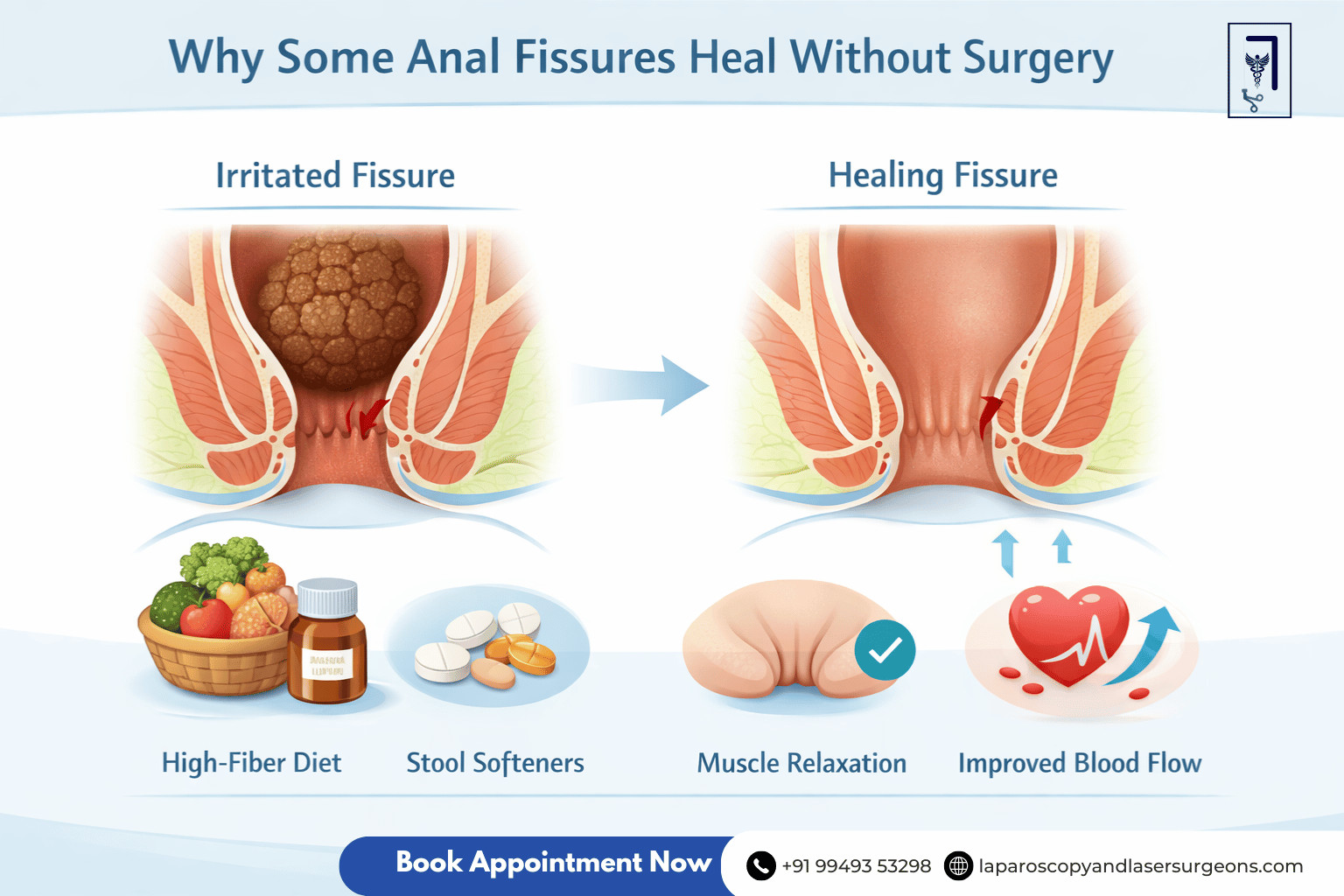
Why Some Anal Fissures Heal Without Surgery
Acute anal fissures often develop due to constipation or passing hard stools. When diagnosed early, these fissures may heal with dietary correction, stool softeners, and medications that relax the anal muscles.
Improved blood flow and reduced muscle spasm allow the tear to heal naturally. However, this healing depends on strict adherence to treatment and bowel-care habits.
Why Chronic Anal Fissures Do Not Heal on Their Own
Chronic fissures persist for more than six weeks and are usually associated with constant muscle spasm of the internal anal sphincter. This spasm reduces blood supply to the fissure area, preventing healing.
Even if pain reduces temporarily, the tear remains open internally. Medicines alone cannot permanently relax the muscle spasm in chronic fissures, making procedural treatment necessary.
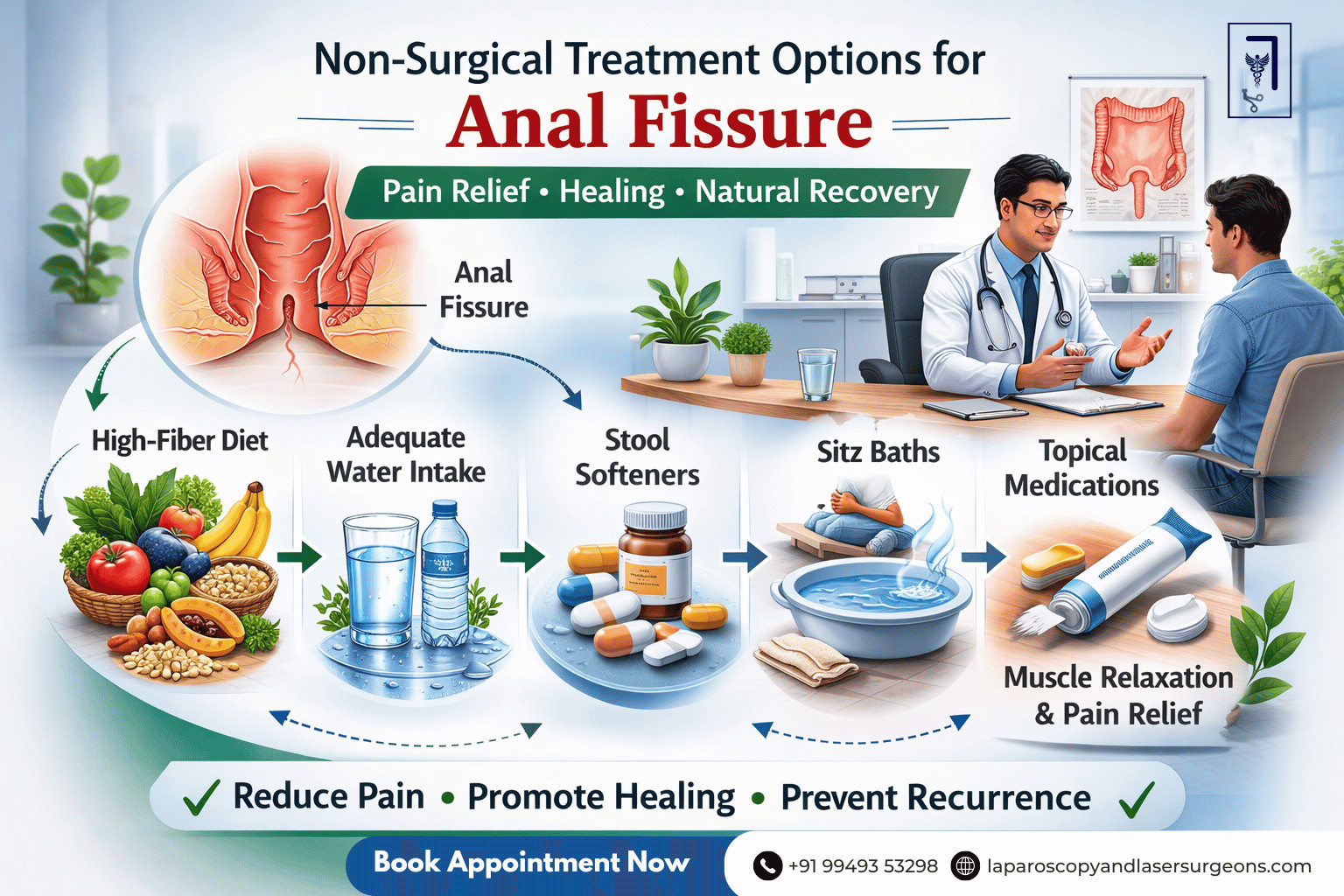
Non-Surgical Treatment Options for Anal Fissure
Non-surgical treatment is usually recommended for early or acute fissures.
These include dietary fiber intake, increased fluid consumption, stool softeners, sitz baths, and topical medications that reduce muscle spasm. These measures aim to reduce pain and allow natural healing.
However, if symptoms persist despite proper medical treatment, further intervention is required.
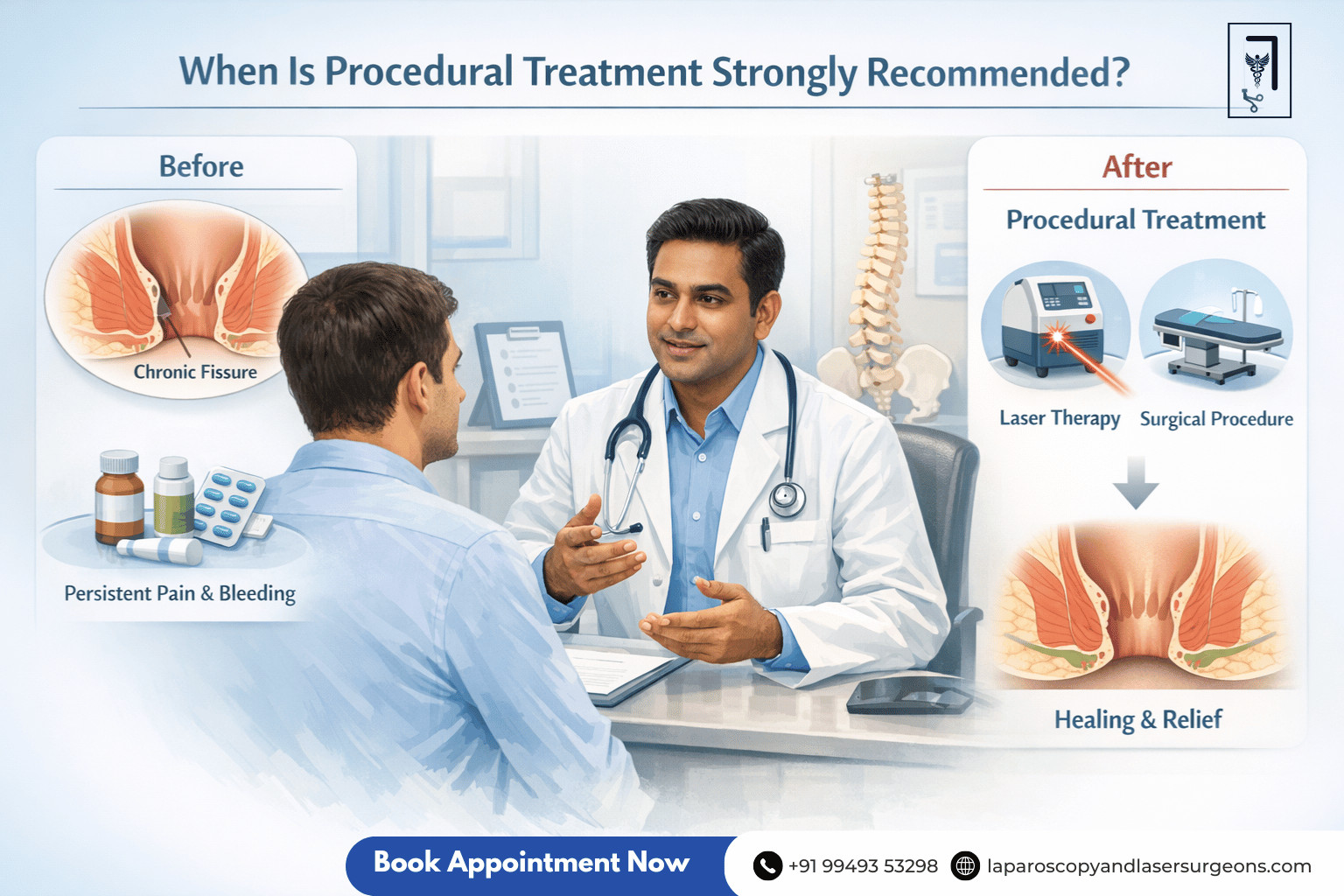
When Is Procedural Treatment Strongly Recommended?
Procedural treatment is recommended when fissure pain persists for several weeks, bleeding continues, or symptoms keep recurring.
Chronic fissures that interfere with daily life, cause fear of bowel movements, or do not respond to medications require laser or surgical intervention for permanent relief.
For symptom awareness, read
👉 Anal Fissure Symptoms You Should Not Ignore
Types of Anal Fissure Treatment Available Today
Modern medicine offers effective treatment options based on fissure severity and duration.
Medical Management – First-Line Treatment
Medical treatment includes stool regulation, pain relief, and muscle relaxation using topical ointments. This approach is effective for most acute fissures when started early.
Patients must follow dietary and bowel-care advice strictly for successful healing.
Laser Treatment for Anal Fissure – Modern & Minimally Invasive
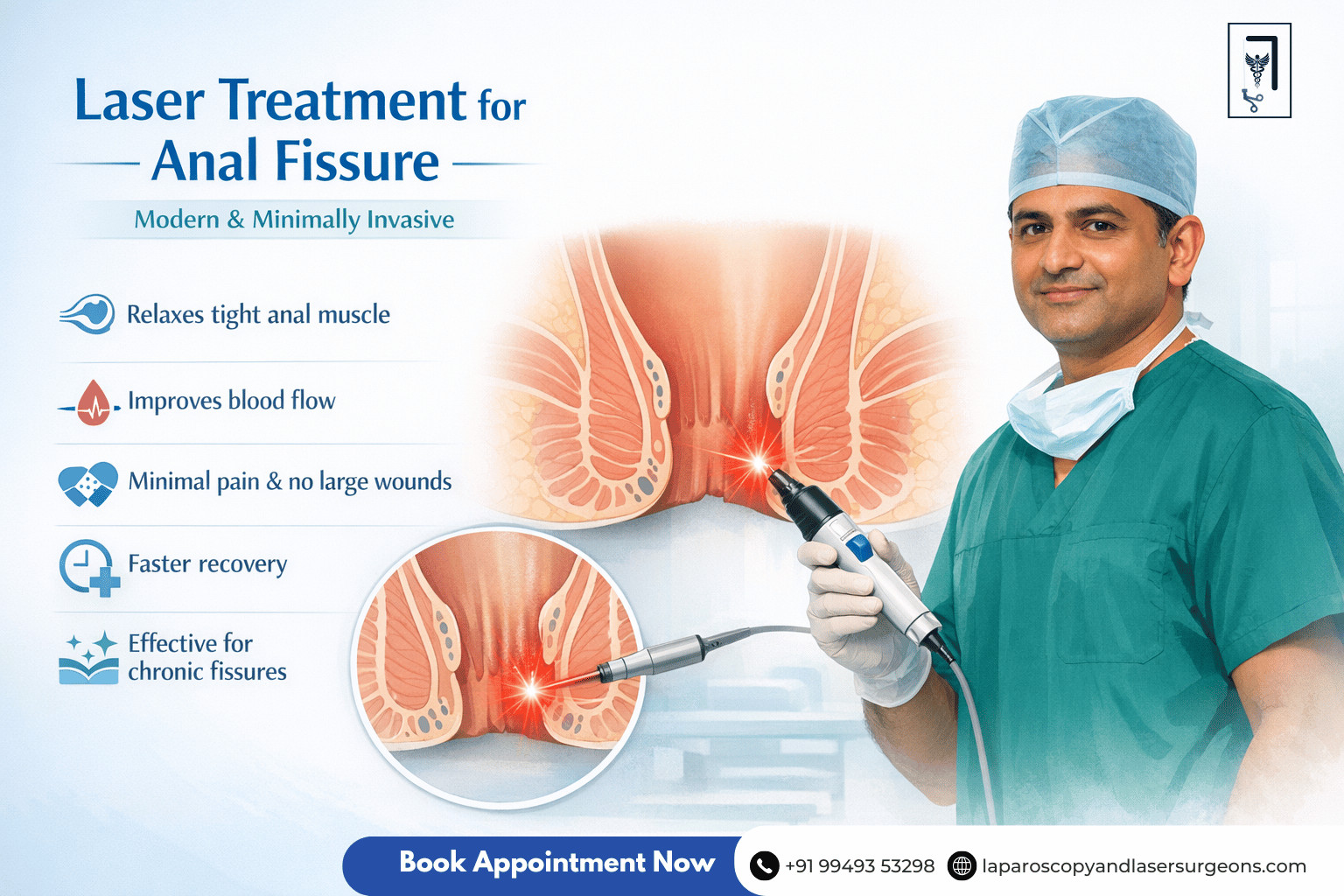
Laser treatment for anal fissure is a minimally invasive procedure that relaxes the tight anal muscle and improves blood flow to the fissure.
This method causes minimal pain, no large wounds, and allows faster recovery. It is especially effective for chronic fissures that have failed medical treatment.
👉 Learn more:
Laser Treatment for Anal Fissure in Hyderabad
How Does the Doctor Decide the Best Treatment Method?
Treatment choice depends on fissure duration, severity of pain, response to medications, and patient comfort.
Dr. D. Suresh Babu follows a patient-specific approach, recommending conservative care when appropriate and laser treatment when needed for lasting relief.
What Happens If Anal Fissure Treatment Is Delayed?
Delaying treatment allows fissures to become chronic and more painful. Persistent muscle spasm worsens pain and delays healing.
Late treatment may require more extensive procedures and longer recovery. Early intervention ensures quicker relief and better outcomes.
Recovery After Anal Fissure Treatment
Recovery depends on the treatment method. Medical management requires consistent bowel care, while laser treatment allows faster pain relief and healing.
Most patients resume normal activities within a few days after laser treatment with proper follow-up care.
Frequently Asked Questions (FAQs)
Yes, acute anal fissures may heal with medications, diet changes, and proper bowel care.
Yes, chronic fissures usually require laser or minimally invasive procedural treatment for complete healing.
Yes, laser treatment for anal fissure is safe, precise, and minimally invasive with faster recovery.
Modern laser fissure treatment causes minimal discomfort and significantly reduces post-procedure pain.
Yes, delaying treatment can worsen pain, increase muscle spasm, and lead to chronic fissure formation.
Get Lasting Relief from Anal Fissure
Consult Dr. D. Suresh Babu for safe, advanced, and effective anal fissure treatment.
Book Consultation